




Financial Advice from AI is Mostly Wrong
While millions of consumers are turning to AI chatbots for financial guidance, recent research reveals these popular tools provide incorrect answers 57% of the time. With error rates skyrocketing to 88% on complex calculations, relying on this confidently delivered but heavily flawed advice could lead to serious financial missteps.
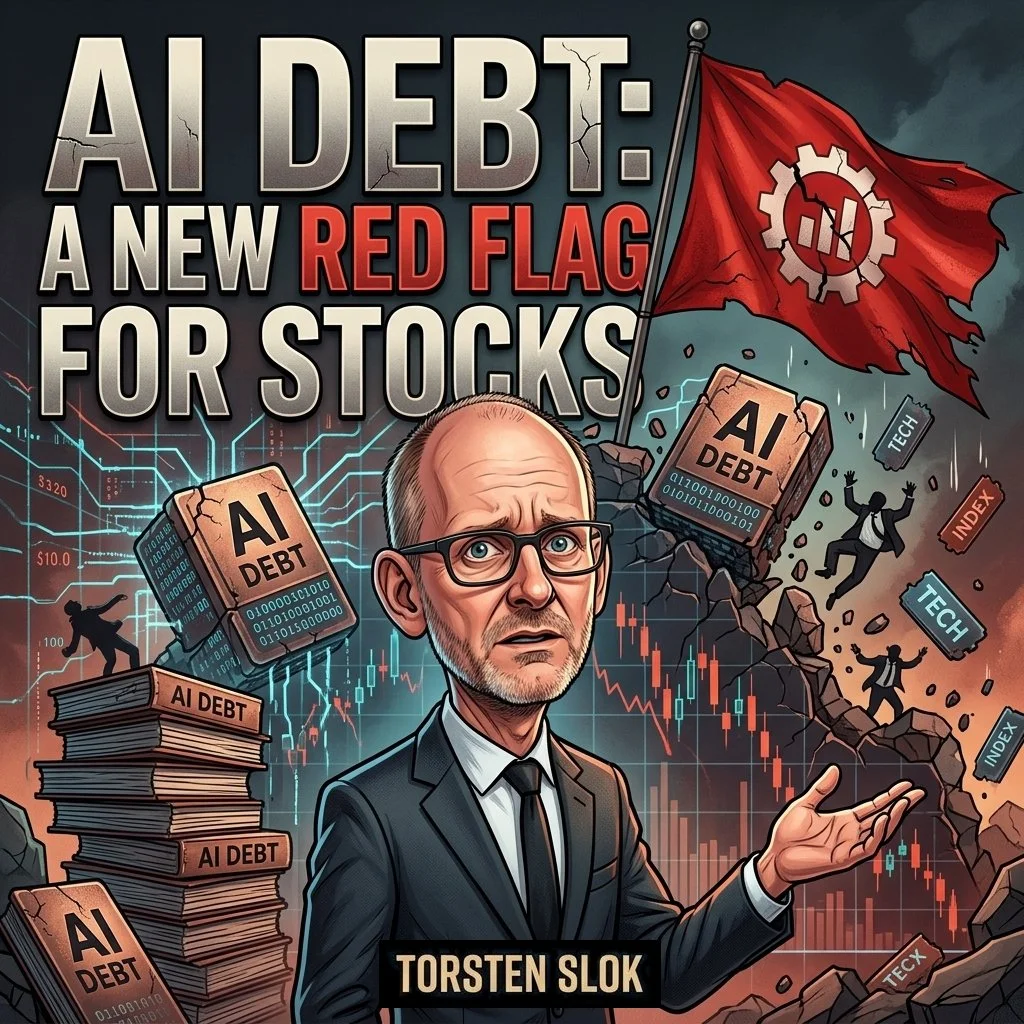
New Red Flag for Stocks: AI Debt
The stock market remains captivated by AI's growth story, but the bond market is flashing a major warning sign: Costs to insure AI bonds are rising rapidy and uncertainty could spread into broader asset markets.
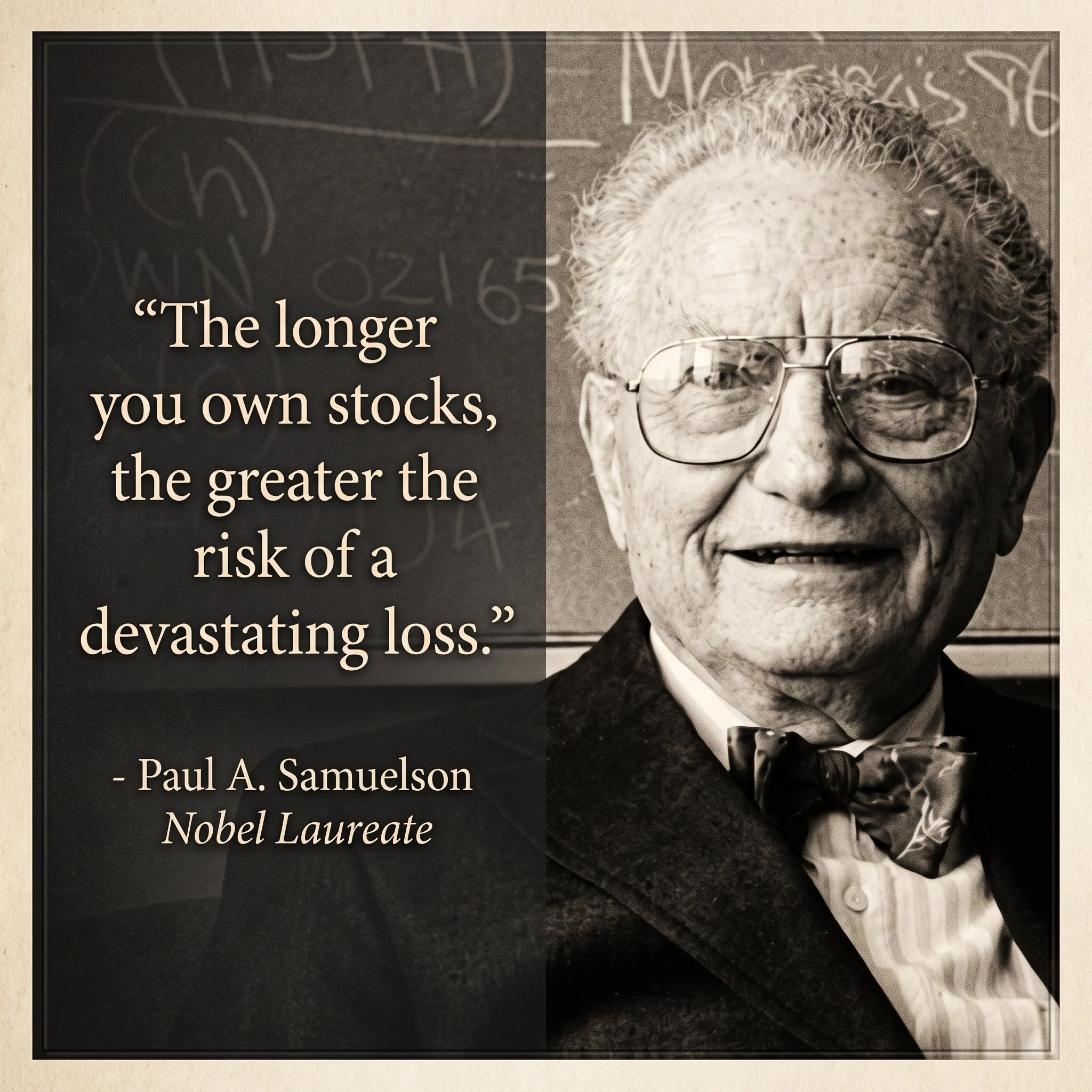
The Fallacy of Time Diversification
The risk of catastrophic loss does not decrease with time; it increases.
The Enron Echo: Data Centers as Subprime Debt
The trillion-dollar AI infrastructure time bomb could explode soon. Experienced investors Paul Kedrosky and Dick Costolo unpack how Big Tech's insatiable spending on data centers is quietly mirroring the 2008 mortgage crisis and Enron's most notorious accounting tricks.
What $40 Trillion in Federal Debt Means for Investors
With the U.S. national debt crossing a historic $40 trillion, surging government borrowing is reshaping the investment landscape.
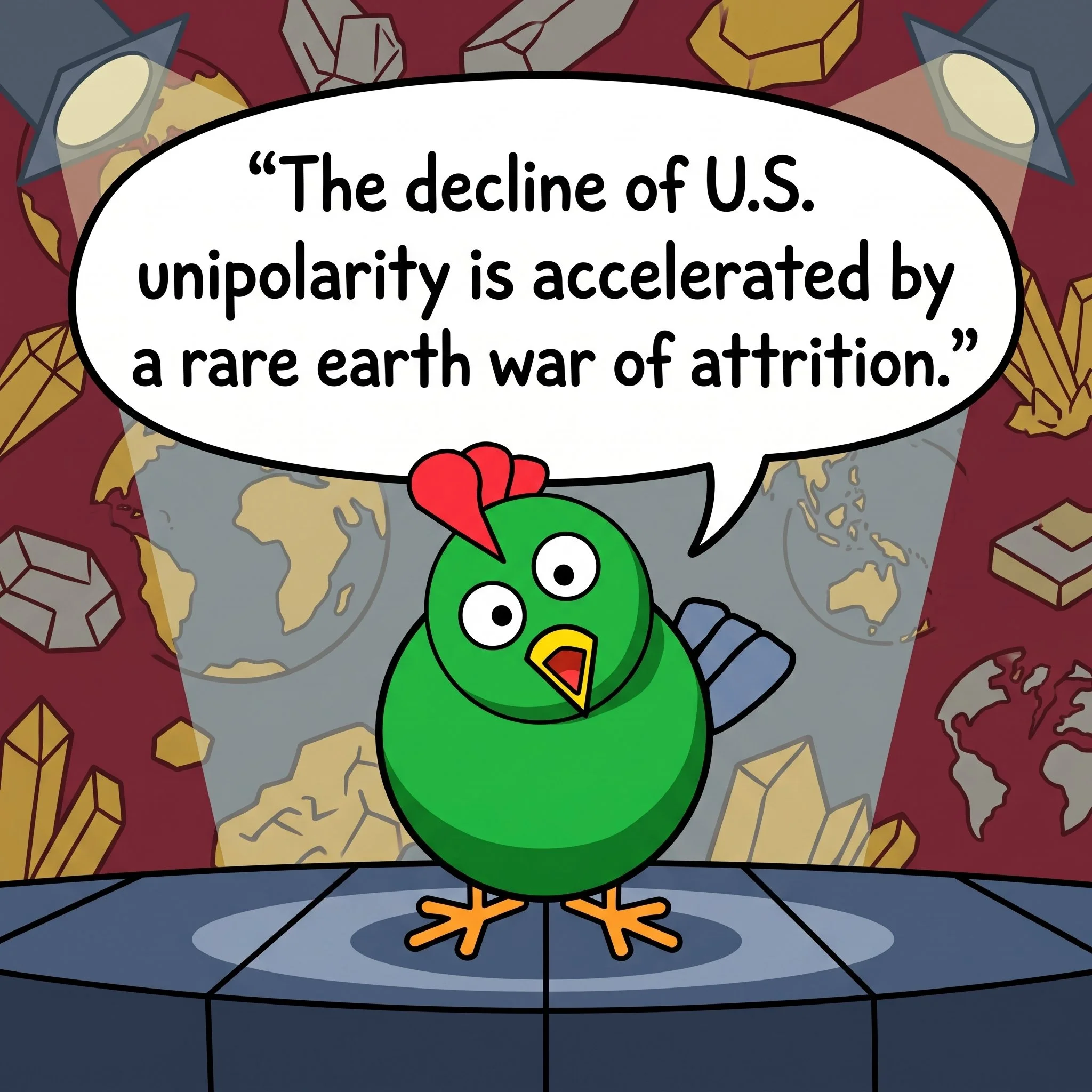
My Favorite Analyst is a Green Cartoon Chicken
One of the sharpest macro analysts on the planet hides behind a green cartoon chicken avatar—and I gladly pay him $400 a year. His name is Doomberg, and he’s worth paying attention to.

The New Frontline: Natural Resources
As Western nations initiate the largest military buildup since the Cold War, the true bottleneck in global rearmament isn't manufacturing capacity—it’s raw materials. With China holding near-monopoly control over critical inputs like gallium, samarium, and tungsten, defense procurement is shifting from cost-efficiency to national security. While market attention remains fixed on prime defense contractors, the higher-leverage opportunity lies upstream in the non-Chinese miners, refiners, and recyclers of strategic metals that dictate the pace of modern defense hardware.
How Modern Markets Broke the 60/40 Portfolio
For decades, traditional 60/40 stock/bond portfolios have provided built-in diversification. But today, stock index returns dominated by extreme tech concentration and soaring government debt have left traditional buy-and-hold strategies exposed to new risks. Navigating this environment requires moving beyond simple two-asset structures toward broader asset classes and active risk management.
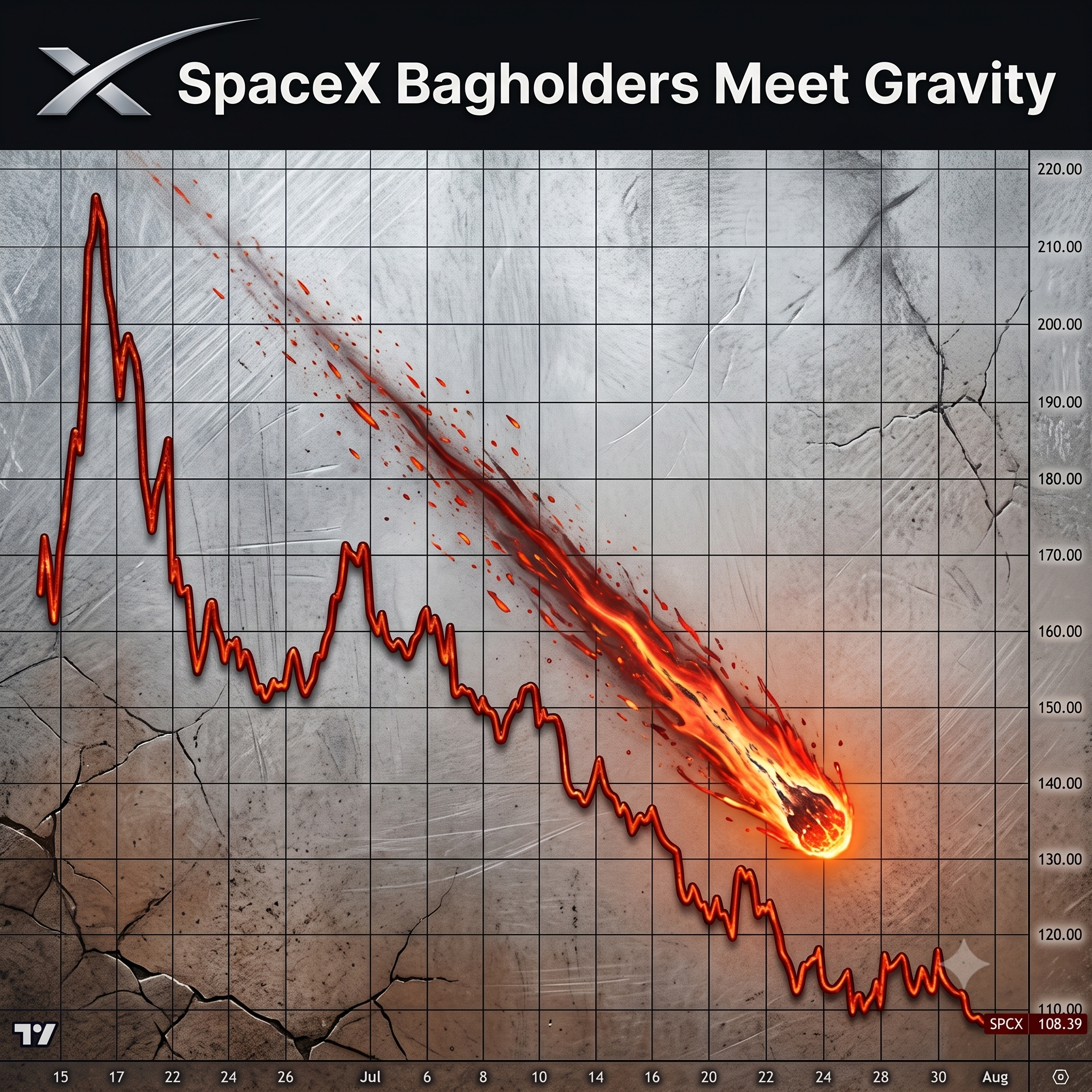
SpaceX Bagholders Meet Gravity
SpaceX skipped the line to join the Nasdaq 100, but with a nearly 50% drop from its peak and an unprecedented tide of insider shares unlocking, gravity is catching up. Here is why the SpaceX sell-off might just be the opening act of an AI bubble unwinding.

Why the AI Trade is Over
The AI trade is facing a brutal reality check. As semiconductors are selling-off, investors are confronting a harsh reality: AI development and deployment costs are outweighing its actual financial returns. In today’s letter I highlight the three biggest problems facing the AI industry.

3Q Investment Outlook: Navigating the Late-Stage Cycle
We are entering the second half of the year in one of the most confusing, risky, and opportunity-filled environments in financial history. On the surface, the tech-driven cap-ex boom has pushed the U.S. stock market to all-time highs. But beneath the surface, risks abound. In my Q3 Investment Outlook, I break down the risks and the opportunities and disucss how we are investing for our clients.
Hope & Change at the Fed
As a crushing 4.2% inflation rate continues to erode the purchasing power of everyday Americans, a dramatic guard-changing at the Federal Reserve offers a glimmer of economic relief. Under the newly appointed Chairman Kevin Warsh, the central bank appears ready to finally abandon years of reckless monetary expansion and wage a definitive war for price stability.

SpaceX Could Change the Market
An unprecedented supply-and-demand shock is about to hit Wall Street. Between a historic $75 billion SpaceX offering and a massive wave of mega-capital raises from tech giants, institutional funds are being forced to liquidate existing positions just to get a seat at the table.

Delusional Warhawks and Rising Oil Prices
Investment advisor Brian Schreiner breaks down the staggering economic and human costs of the U.S.-Iran war. Despite calls from political warhawks to resume combat operations, Iran currently has the upper hand. Oil prices have been artificially suppressed until now, but executives from Chevron and ExxonMobil say prices are poised for a surge.
AI Snake Oil-Part 3: The Rise of Open-Source Models
The AI Cap-Ex boom is a money furnace. Investors need to look past the hype and dive into the realities of the AI industry. Under the surface, smaller, specialized and more efficient AI models are emerging to challenge the frontier LLM giants.
AI Snake Oil—Part 2: Where Are All the Data Centers?
The hyperscalers are promising an AI empire, but data center construction is a mirage of half-truths, fudged numbers and physical delays. The largest industrial over-build in American history is hitting a wall. The tech giants are burning cash at an unprecedented rate while hiding the fact that their actual construction pipelines are drowning in delays.
AI Snake Oil—Part 1: The Skeptics
The current AI market is characterized by an unsustainable over-investment bubble driven by hype and mainstream media complicity. While tech giants focus on their expensive and inefficient "frontier models," a growing group of experts and skeptics are explaining why these massive systems fail to deliver real-world value. The AI bubble will burst, giving way to a "Distributed AGI" future where smaller, specialized, and cost-effective AI tools deliver real utility to specific industries.
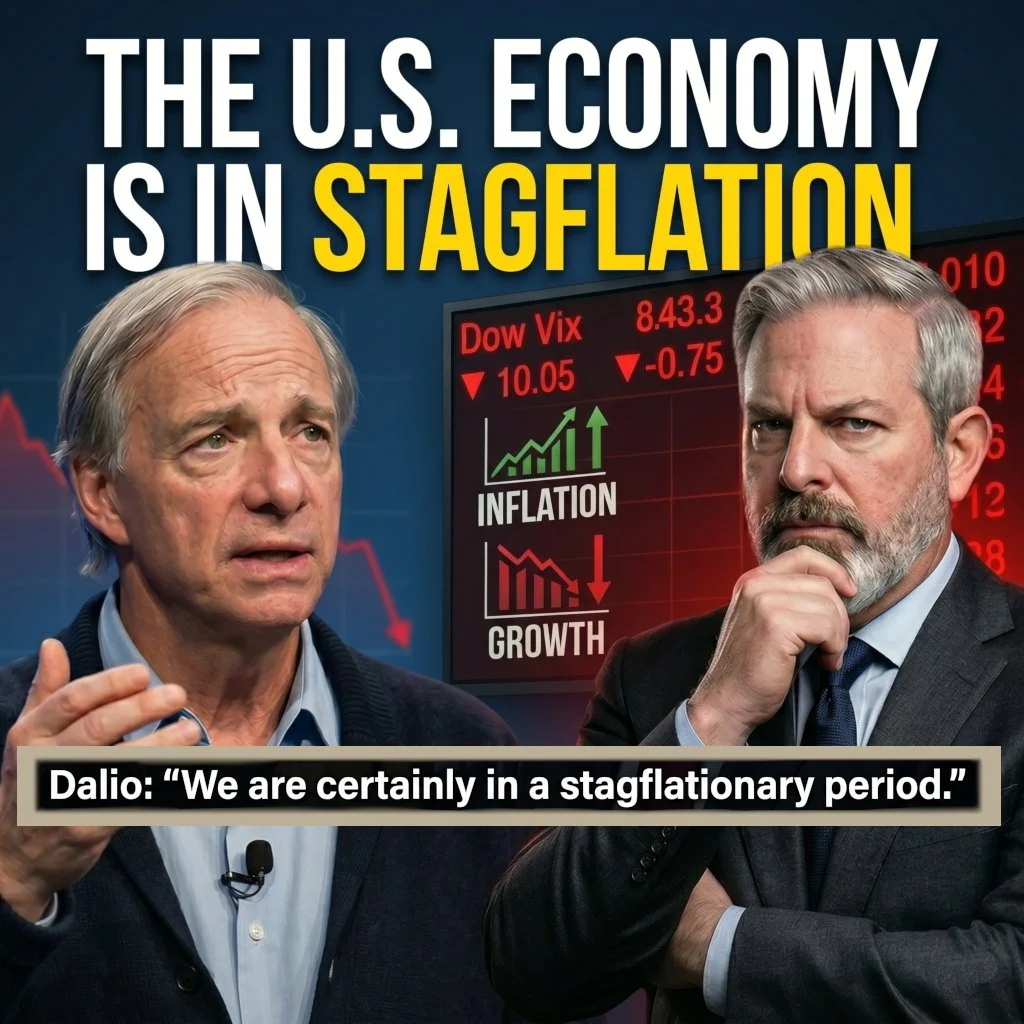
The U.S. Economy is in Stagflation
Ray Dalio says, “We’re certainly in a stagflationary period.” Is Dalio’s understanding of current economic conditions accurate? If so, what does that mean for your investments? Warren Buffet says we’ve never had more investors in a gambling mood than now. The Fed left interest unchanged last week, but Powell said the quiet part out loud.
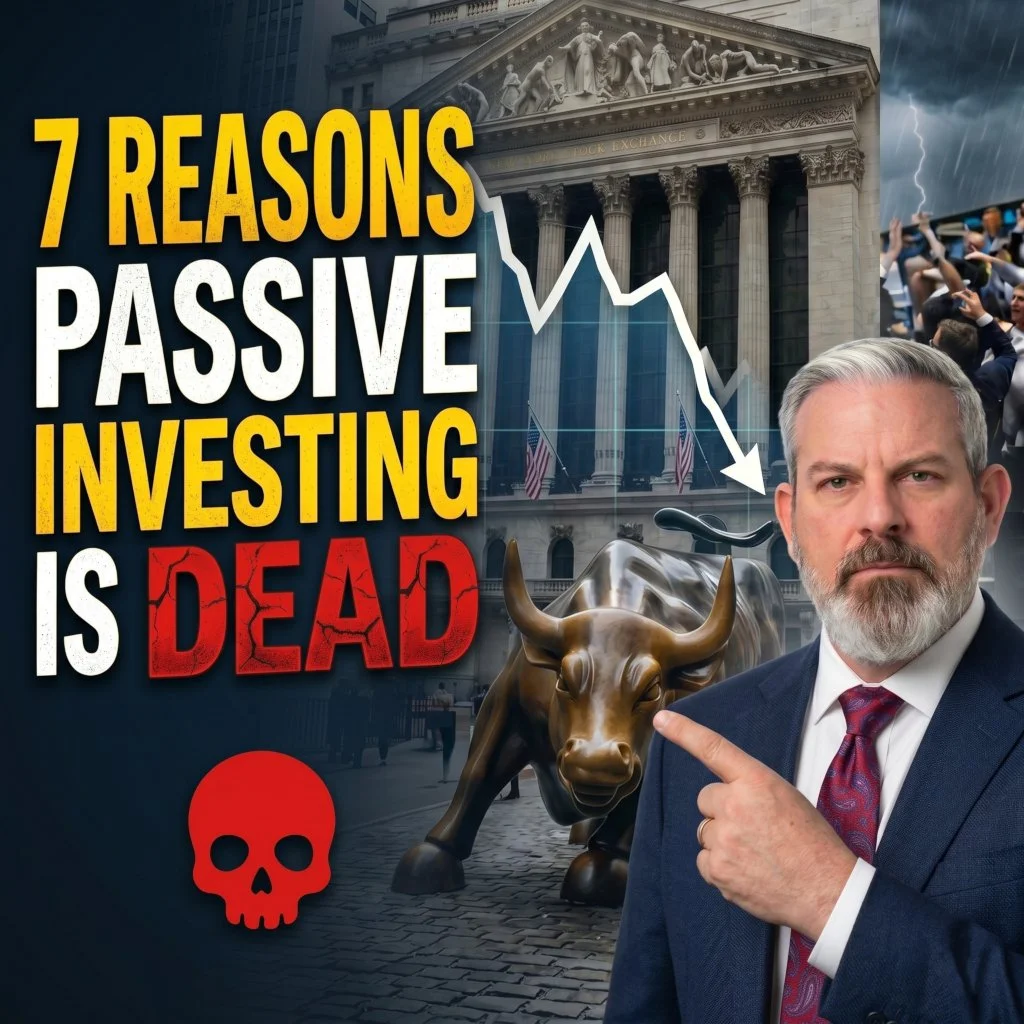
7 Reasons Passive Investing is Dead
Passive buy-and-hold investing ignores fundamental valuations and fails to protect investors from catastrophic market cycles. Traditional indexing lacks true diversification and relies on several dangerous myths.

A Gambling Mood on Wall Street
Investors are in a gambling mood after rushing in to buy the dip at high prices despite an extreme set of risks. Most acutely, the U.S.-Iran conflict is at a critical juncture. If a diplomatic settlement is not reached by midnight on Tuesday, the conflict risks a catastrophic escalation.